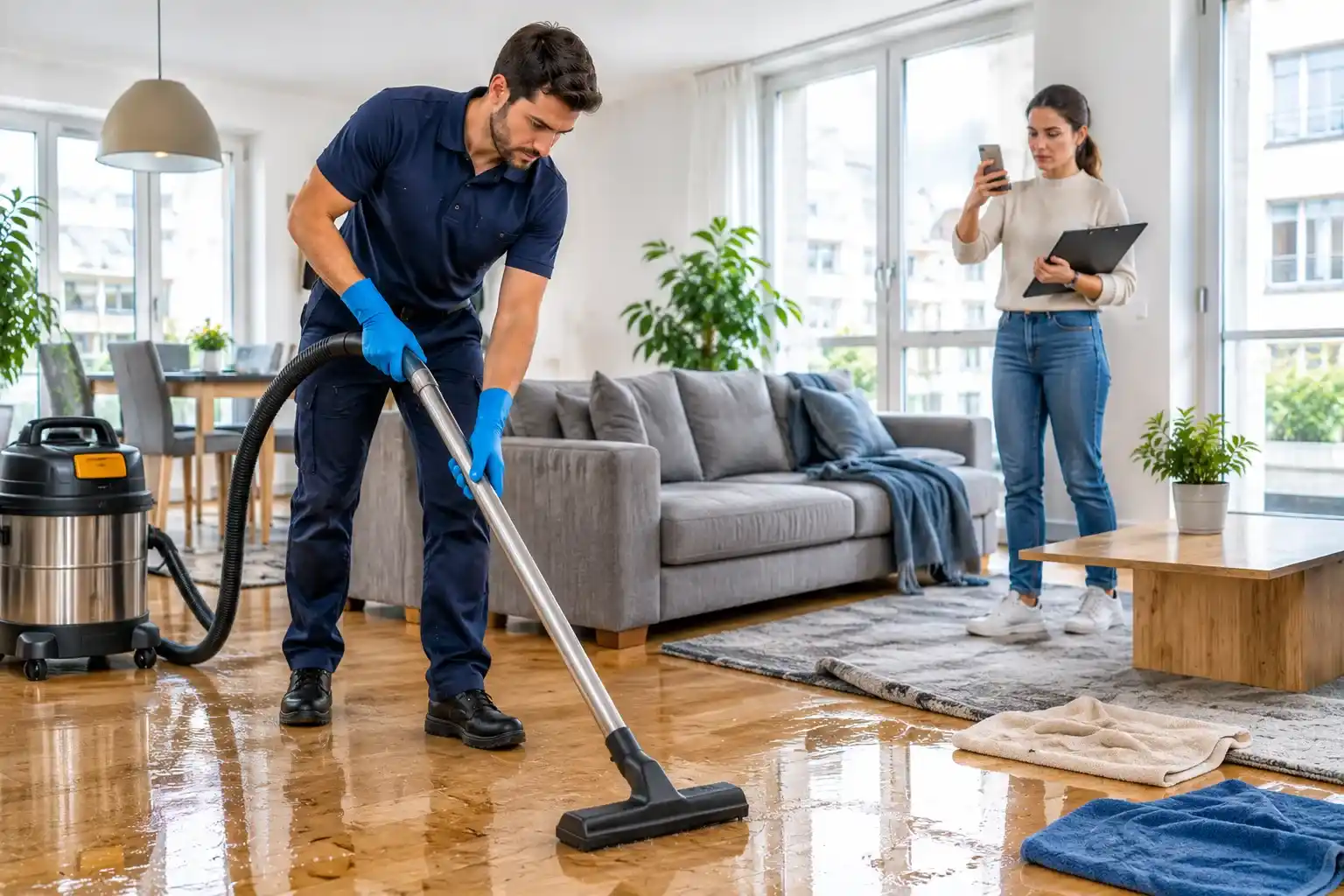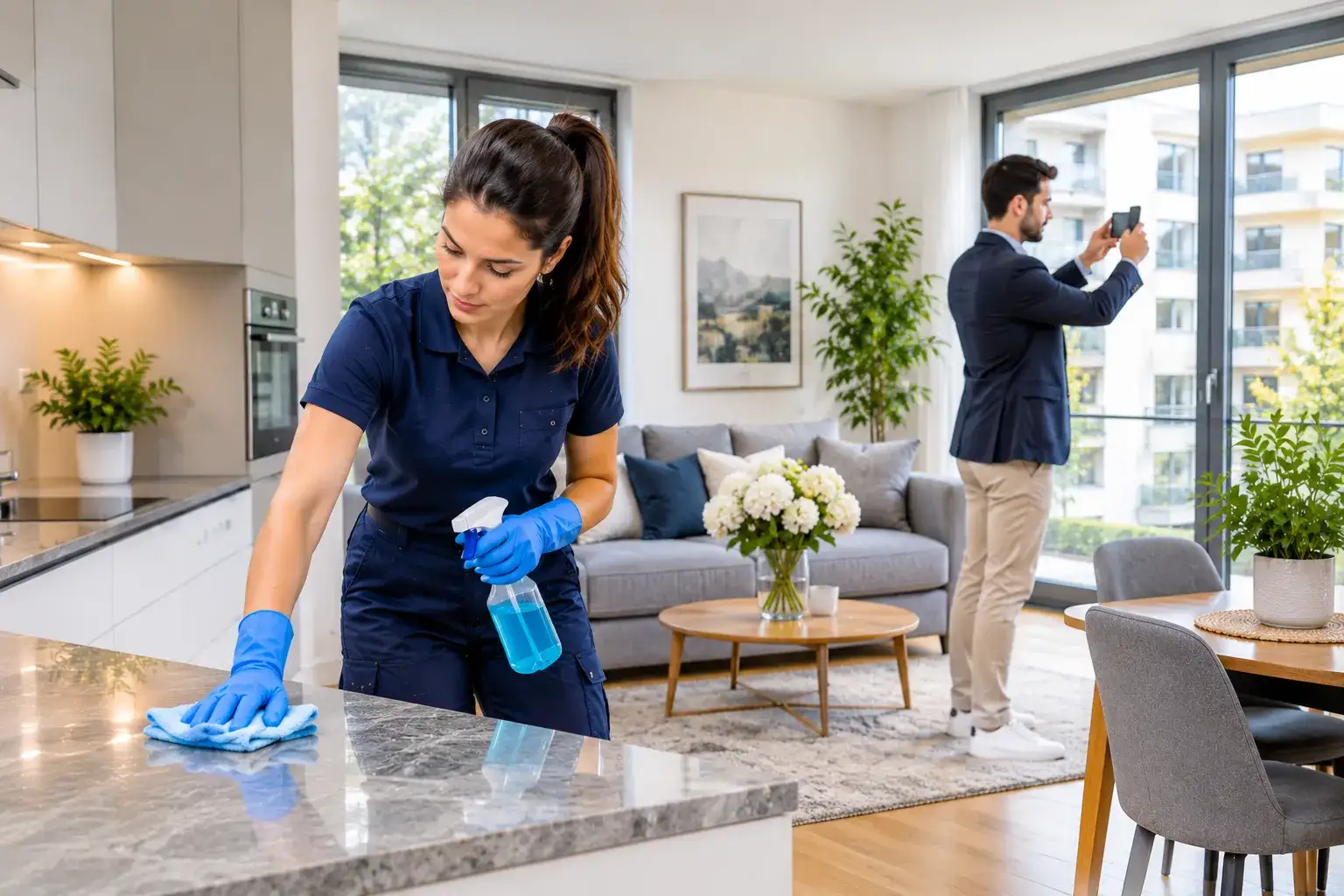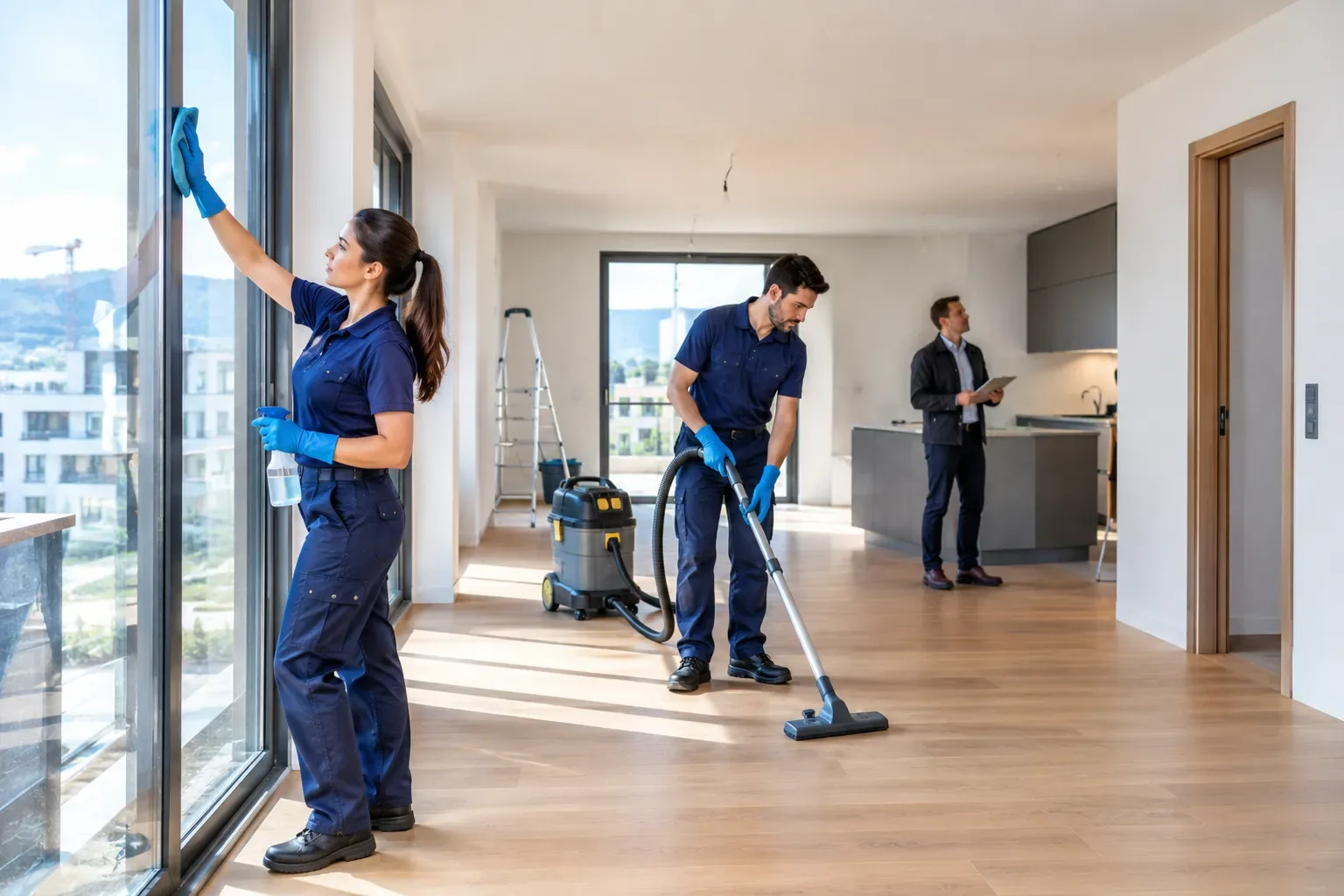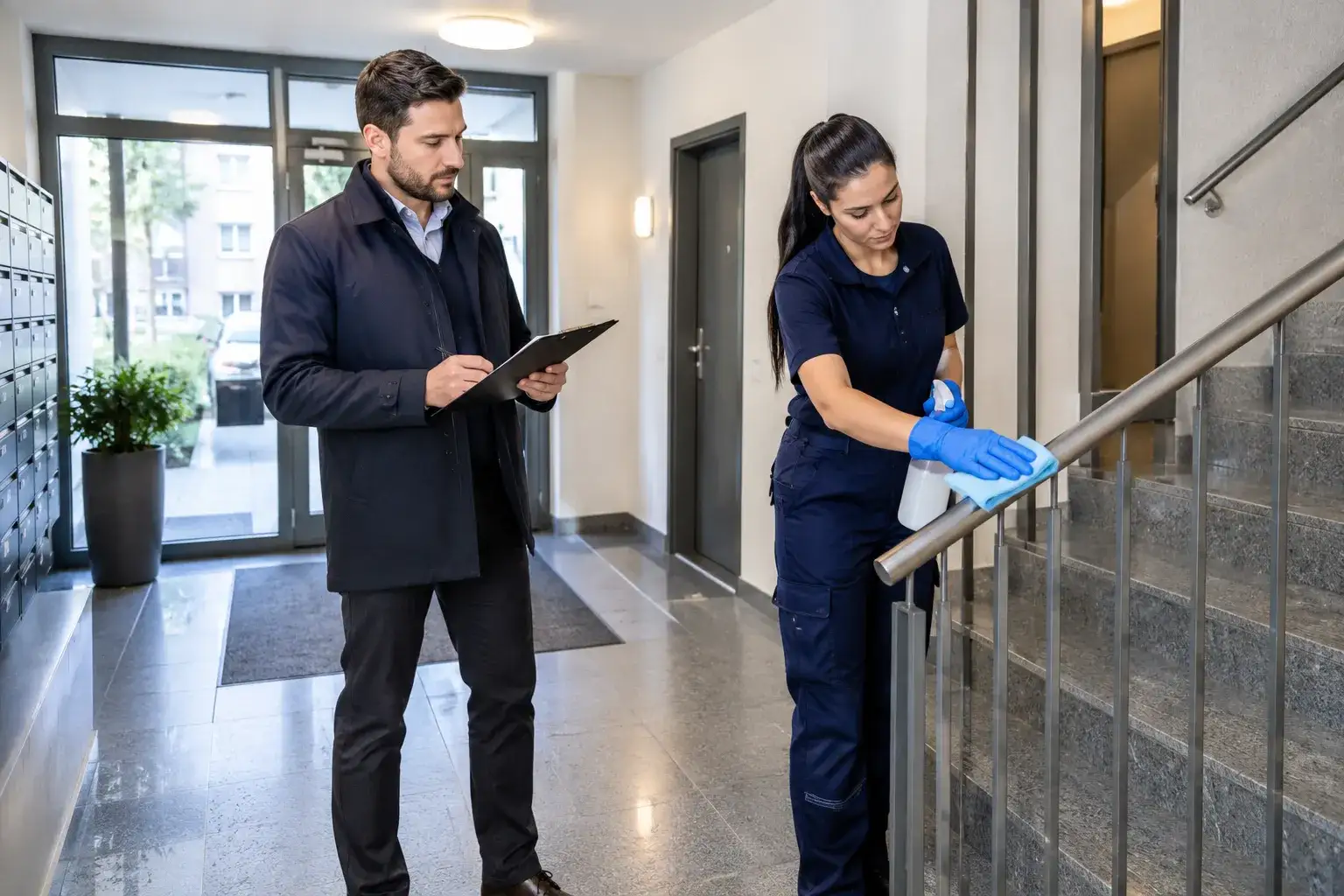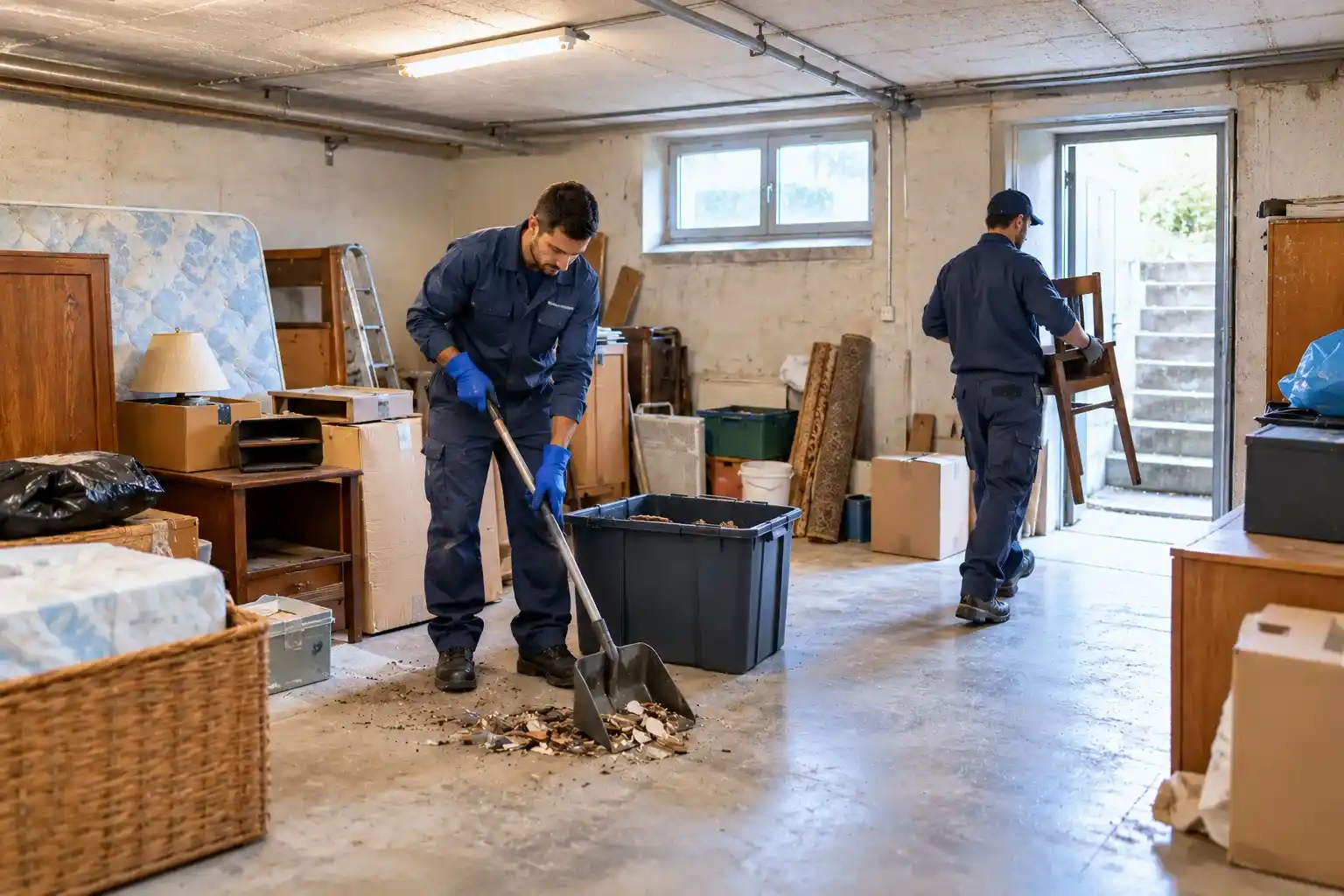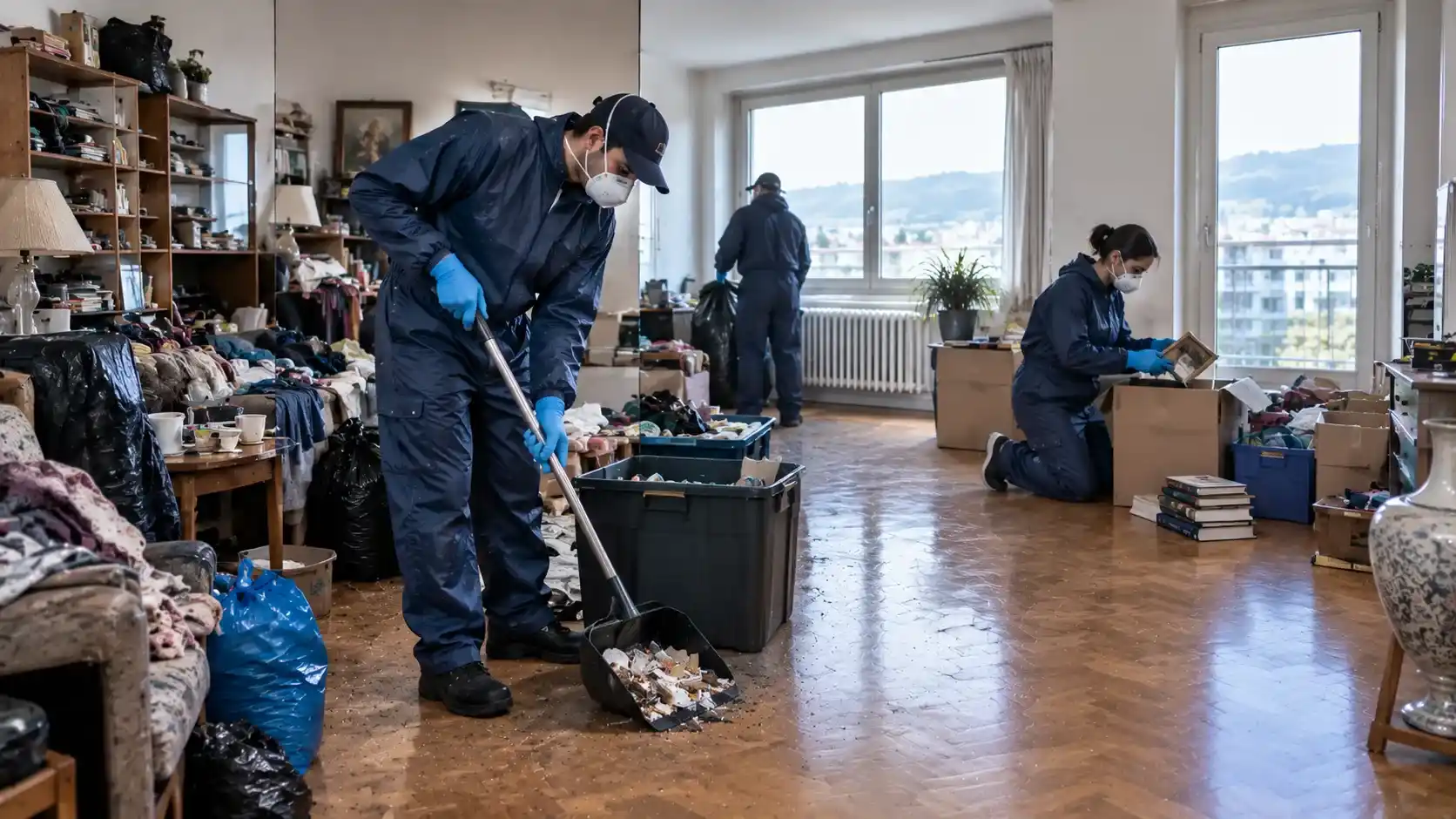

A burst pipe, a leaking washing machine, or water coming through the ceiling can turn a normal day into an emergency. The first 24 hours matter most because water spreads quickly, and mould can start growing within one to two days. Once you remove the water, our deep cleaning in Zurich helps restore the apartment.
This guide explains what to do in the first 24 hours of water damage in a Zurich apartment, who to inform, which items to save, and how to clean and prevent mould afterwards.
Safety First: The Very First Minutes
Before you think about cleaning, make the apartment safe. Water and electricity are a dangerous combination, and standing water can hide risks.
• Stop the source: close the main water valve or the valve of the affected appliance.
• Switch off electricity: if water is near sockets, appliances, or the fuse box, switch off the power at the fuse box, but only if you can do so safely and without standing in water.
• Keep away from wet electrical items: do not touch devices that are standing in water.
• Protect people and pets: keep children and pets out of the wet area.
• Call for help if needed: in a real emergency with danger to people, call the emergency services.
Key takeaway: safety comes before saving belongings. Nothing in the apartment is worth an electric shock.
Your 24-Hour Plan at a Glance
The table below shows a simple timeline. It helps you stay calm and do things in the right order.
|
Time |
What to Do |
|
First hour |
Stop the water, make the area safe, and inform the landlord or the property manager. |
|
Hours 1 to 4 |
Document the damage with photos, notify your insurer, and start removing standing water. |
|
Hours 4 to 12 |
Move furniture and valuables, open windows, and start drying the area. |
|
Hours 12 to 24 |
Sort damaged items, clean surfaces, and watch for early signs of mould. |
|
After 24 hours |
Arrange professional drying if needed and book a thorough cleaning. |
Who to Inform and When
In a Swiss rental, communication matters. Reporting the damage quickly protects you, and it allows the right people to act.
1. Landlord or property manager
Report the damage immediately, and follow their instructions. In many buildings, there is also a caretaker who can check the pipes.
2. Your insurance
Contact your household contents insurer and, if you have it, your liability insurance. Ask what they need from you.
3. Neighbours
If water came from or goes to another apartment, inform the neighbours so they can check their own homes.
4. Specialists
If the water is widespread, contact a plumber or a drying specialist.
Please check your own policy and your rental contract for the exact rules. We are a cleaning company and cannot give legal or insurance advice.
Document Everything Before You Clean
Insurers and landlords usually want proof of the damage. Photos taken before cleaning are the best evidence.
• Take photos and short videos of all affected rooms, walls, floors, and belongings.
• Note the time you discovered the damage and the likely source.
• Keep damaged items until the insurer has seen the photos, if possible.
• Save messages and emails with the landlord and the insurer.
Removing Water and Starting to Dry
Speed matters because moisture soaks into floors, walls, and furniture. Remove as much water as you can safely handle.
• Mop and absorb: use towels, mops, and a wet vacuum made for water if you have one.
• Lift furniture: move furniture off wet floors, or place foil under the legs.
• Open windows: ventilate to move moist air outside, unless the outside air is very humid.
• Use fans and dehumidifiers: they speed up drying considerably.
• Remove wet rugs: lift them and let them dry separately.
If walls, floors, or ceilings are soaked, a professional drying specialist can measure moisture and dry the structure properly. Cleaning companies, including us, do not replace this step.
What to Save and What to Discard
Not everything must be thrown away. The type of material and the type of water decide what can be saved.
|
Item |
Usually Possible |
Usually Discard |
|
Hard furniture (wood, metal, plastic) |
Dry and clean thoroughly |
Heavily swollen chipboard |
|
Upholstered furniture and sofas |
If water was clean and treated quickly |
If water was dirty or drying was late |
|
Mattresses |
Rarely, if only slightly damp and clean water |
If soaked or contaminated |
|
Carpets and rugs |
Clean water and fast drying |
Dirty water or mould |
|
Books and papers |
Dry quickly, or freeze to stop damage |
Heavily soaked or mouldy |
|
Electronics |
Only after a professional check |
If they were in standing water |
Water from a clean source, such as a supply pipe, is much less risky than water from a drain, a toilet, or a flood. If the water was contaminated, keep your distance and ask professionals to handle it.
Cleaning After the Water Is Gone
Once the water is removed and the surfaces are drying, cleaning prevents odours, stains, and bacteria. Flooded areas should be cleaned and, where needed, disinfected.
Our deep cleaning covers floors, walls, kitchen, and bathroom in detail, and our disinfection service helps where hygiene is a concern. For affected textiles, we offer carpet cleaning, sofa cleaning, and mattress cleaning.
How to Prevent Mould
Mould can start to grow within one to two days in damp conditions. Quick drying is the best prevention.
• Keep the humidity low with dehumidifiers and regular ventilation.
• Check hidden areas behind furniture, under floors, and inside cupboards.
• Watch for musty smells, dark spots, or peeling paint.
• Do not paint over damp walls before they are fully dry.
• Call a specialist if mould spreads over a larger area.
Removing Damaged Items
Swollen furniture, soaked mattresses, and ruined flooring must often be removed. Our disposal service takes furniture, appliances, and bulky waste away in line with Swiss regulations. Keep the items until your insurer agrees, if you plan to claim.
After the First 24 Hours: What Comes Next
The first day stops the damage from growing. The following days restore the apartment, and a clear order helps you keep control.
• Drying: continue until a specialist or your own checks confirm that floors and walls are dry.
• Repairs: agree with the landlord or owner who arranges which repairs, and in which order.
• Cleaning: book the thorough cleaning once the surfaces are dry and the repairs are finished.
• Final check: walk through the apartment and look for odours, stains, or damp spots.
Planning the cleaning after the repairs avoids doing the same work twice, because repair work creates dust and dirt of its own.
Common Mistakes to Avoid
• Touching electrical items or sockets in wet areas.
• Cleaning before taking photos for the insurer.
• Waiting to inform the landlord or the property manager.
• Using a normal vacuum cleaner on wet floors.
• Closing the windows and leaving the area damp.
• Painting over damp walls too early.
How Züriclean Helps After Water Damage
We help with the cleaning stage after the water has been removed: deep cleaning, disinfection, textile cleaning, and disposal of damaged items. For structural drying, we recommend a drying specialist. After a visit or pictures, you receive a written quote.
As a registered Swiss company, we work with trained teams and clear communication. You can find our local coverage on the Zurich page or start from our homepage.
Conclusion
The first 24 hours after water damage decide how large the problem becomes. Stop the water, make the apartment safe, inform the landlord and your insurer, document the damage, and start drying quickly.
Once the water is gone, a thorough cleaning removes odours and bacteria and helps prevent mould. With the right order of steps and a reliable partner for the cleaning, your Zurich apartment returns to normal sooner.
Learn more about our deep cleaning in Zurich and request your free, non-binding quote today.
Frequently Asked Questions
What should I do first when water damage happens in my apartment?
First, stop the water source and make the area safe by switching off the power if you can do so without standing in water. Then inform your landlord or property manager and your insurer, and take photos before you clean.
How quickly can mould appear after water damage?
Mould can begin to grow within one to two days in damp conditions. Remove standing water quickly, ventilate, use a dehumidifier, and check hidden areas to reduce the risk during the first 24 to 48 hours.
Should I clean before or after taking photos?
Take photos and videos first. Insurers and landlords usually want proof of the damage before any cleaning. Document all affected rooms, belongings, and the likely source, and keep damaged items until the insurer has agreed.
Can a sofa or mattress be saved after water damage?
Sometimes, if the water was clean and the item was treated and dried quickly. Soaked items or those hit by dirty water are usually discarded. A professional can assess the condition and advise on cleaning or disposal.
Does Züriclean help with cleaning after water damage in Zurich?
Yes. We offer deep cleaning, disinfection, textile cleaning, and disposal of damaged items after the water has been removed. For structural drying, we recommend a drying specialist. You receive a written quote after a visit or pictures.