

Living in Zürich means dealing with all sorts of weather – rain, snow, and that stubborn street grit that somehow ends up tracked all over your floors. I've noticed how quickly things can look worn out if you don't stay on top of it. Floor cleaning Zürich isn't just about making things look nice; it's really about keeping your home or office feeling fresh and healthy. With the right approach, you can get that satisfying gleam back and cut down on allergens too. Whether it's a cozy apartment or a busy workspace, good floor care makes a big difference in how a place feels day to day.

Why Professional Floor Cleaning Matters Here in Zürich
I've seen firsthand how Zürich's mix of old buildings and modern spaces creates unique challenges for floors. Salt from winter roads gets everywhere, and in summer, dust from construction seems endless. Turning to a professional floor cleaning service helps because they know exactly what local conditions do to different surfaces. They don't just wipe things down – they get into the details that regular sweeping misses, like embedded dirt that dulls the shine over time.What stands out to me is how these services adapt to what you actually have.
In older homes with beautiful parquet, they use gentle methods to avoid damage. For newer offices with lots of tile, they focus on efficiency without disrupting the day. It's not overwhelming either; many schedule around your routine, often coming in evenings or weekends. The result? Floors that hold up better against daily wear, and honestly, it takes a load off when you know it's handled properly. Plus, in a city where indoor air quality matters with all the pollen and pollution, cleaner floors mean less dust kicking up. I've talked to people who say their allergies improved noticeably after a thorough session. It's practical stuff that adds up to a healthier space overall.
Finding Reliable Floor Cleaning Experts Nearby
When you're looking for floor cleaning experts near me, start by checking reviews from other locals in Zürich – word of mouth goes a long way here. Good ones will visit first to see your setup and explain options without pressure. They understand Swiss standards for safety and environmental rules, so you get reliable results.
Experience with local issues, like hard water stains or salt residue, makes a difference. Many offer flexible plans, whether you need one-off help or regular visits. It's worth asking about their tools too – modern equipment gets better outcomes with less fuss. Building a relationship with a trusted team means they learn your space over time, spotting potential problems early. For anyone busy with work or family, this kind of support keeps things manageable without constant effort on your part.
Getting Into Deep Floor Cleaning Solutions
Every now and then, surfaces need more than a quick pass – that's where deep floor cleaning solutions come in handy. I remember noticing how much brighter rooms looked after tackling layers of buildup that everyday mopping just pushes around. These approaches pull out grime that's settled in, especially useful in high-use areas like kitchens or entryways.
Professionals often use hot water extraction or specialized scrubbing that lifts dirt without harsh scrubbing by hand. It's great for removing things like pet hair or pollen that get ground in over months. In Zürich's variable humidity, this also helps prevent mold in hidden spots. You don't need it constantly, but doing it seasonally refreshes everything. Many notice better traction too, reducing slips on slick buildup. For families, it means fewer allergens floating around. Overall, it's one of those tasks that pays off in how comfortable the space feels afterward.
How It Helps Both Homes and Offices
Residential floor cleaning focuses on creating a cozy, safe environment, while commercial floor cleaning services prioritize quick, thorough results to keep businesses running smoothly. In homes, it often means gentler products around kids and pets; in offices, durable finishes that handle constant traffic.
Both benefit from removing deep-set stains and bacteria. Apartments see it during moves, ensuring everything's ready for the next person. Larger spaces might zone areas to minimize downtime. The shared upside is longevity – proper deep cleans protect investments in flooring. In busy Zürich spots, this keeps places looking professional and welcoming without major disruptions.
Tackling Tile and Grout Properly
Tiles are common here, but grout lines trap dirt fast. Tile and grout floor cleaning restores that clean look by targeting those porous areas. I've tried DIY versions, but pros get much better results with tools that agitate and extract effectively.
They start with safe cleaners that break down buildup, then seal afterward to make maintenance easier. Kitchens and bathrooms especially benefit, cutting down on slippery spots or discoloration. In older Zürich flats, this preserves character without damage. It's satisfying seeing the contrast – lines go from dingy to bright. Regular attention here prevents bigger issues like mold.

Bringing Back Marble's Natural Glow
Marble adds elegance, but it etches easily from spills. Marble floor polishing carefully buffs away minor damage and restores sheen. Experts use progressive pads and compounds suited to the stone.In Zürich's historic spots or luxury apartments, this keeps surfaces looking timeless. They avoid acids that harm it further. After, a protector helps resist future marks. It's not everyday maintenance, but periodic polishing makes a huge visual impact.
Caring for Hardwood the Right Way
Hardwood brings warmth, but water is its enemy. A good hardwood floor cleaning service uses minimal moisture and specific products to lift dirt safely.Dry dusting first, then light damp mopping – that's the key. Polishing afterward nourishes the wood. In heated Swiss winters, this prevents cracking from dry air. Families love how it stays pet-friendly too.
Going Eco-Friendly with Floor Cleaning
More people choose eco-friendly floor cleaning these days, and it makes sense – gentler on the environment and indoors. Plant-based solutions clean well without strong fumes.In Zürich, with focus on sustainability, these options fit perfectly. They break down naturally and often use less water. Great for homes with little ones crawling around.

Dealing with Stubborn Stains and Dirt
Floor stain and dirt removal targets specific spots before they set permanently. Quick action with the right remover saves a lot of hassle.Enzymatic cleaners work wonders on organic marks. Testing small areas first prevents issues. In busy households, this keeps things looking tidy longer.
Adding Sanitization for Extra Protection
Floor sanitization services go beyond clean to kill germs effectively. Useful after illnesses or in shared spaces.Approved disinfectants with proper dwell time do the job. In offices, it supports healthier teams. Pairing with ventilation maximizes benefits, especially in colder months when windows stay closed more.
Simple Habits for Ongoing Floor Maintenance
Floor maintenance and care boils down to consistent small steps. Sweeping regularly and addressing spills fast prevents bigger builds.Mats at doors trap a surprising amount. Seasonal checks catch wear early. This routine extends floor life noticeably.
Managing High-Traffic Areas Effectively
High-traffic floor cleaning requires tougher approaches in entryways and halls.Extra mats and more frequent attention help. Durable protectors withstand the wear. In offices, it maintains safety and appearance with zoning tips and examples from busy Zürich spots.
Adapting Cleaning for Different Spaces
Floor cleaning for offices and homes varies by need – homes prioritize comfort, offices efficiency.Both gain from tailored plans. Quick-dry methods suit workdays; gentle ones fit family life.
Special Considerations for End of Tenancy
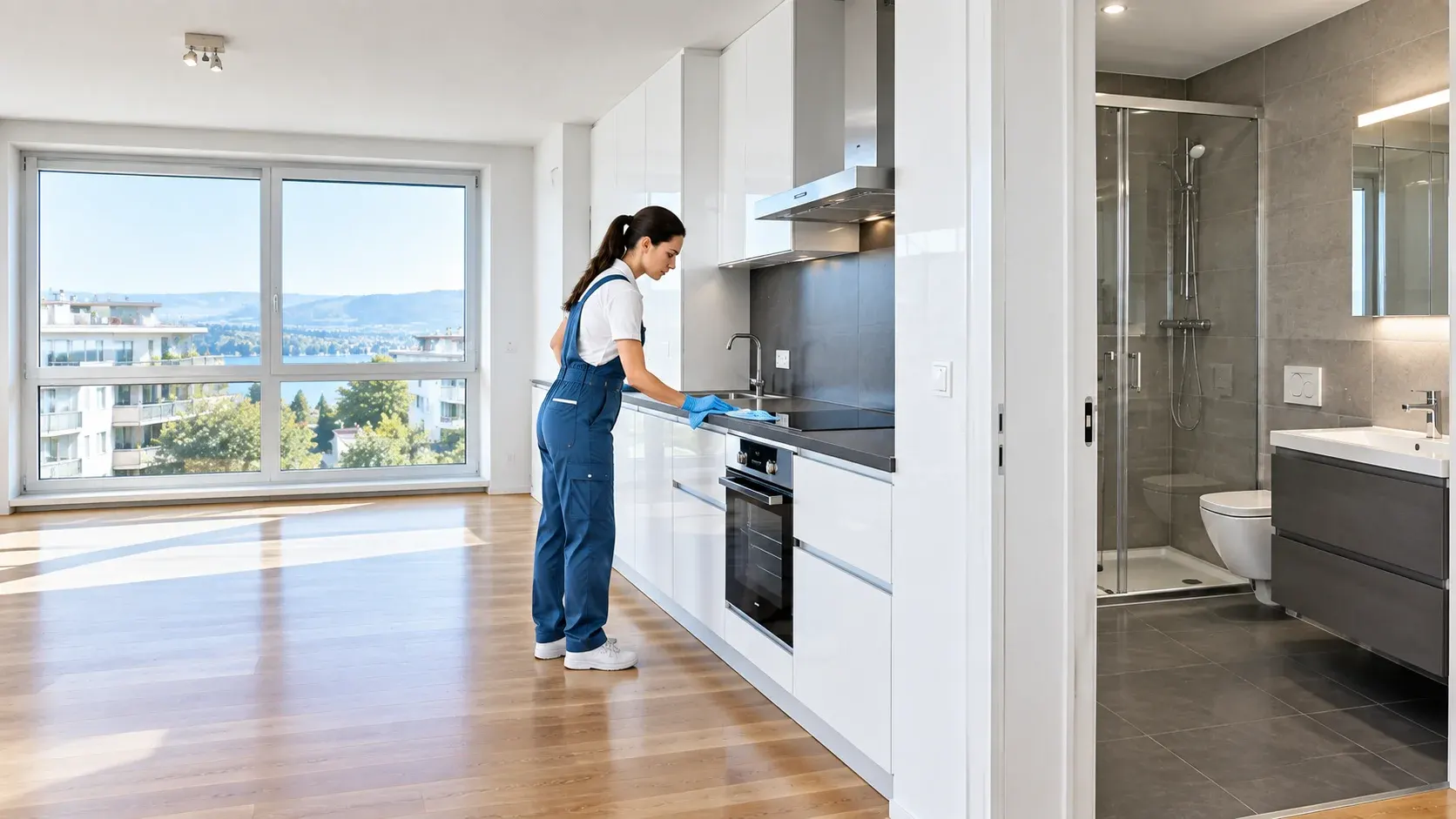
End of tenancy cleaning and apartment cleaning ensure smooth handovers.Thorough floor work meets expectations for deposits. Pros handle details landlords notice. In competitive rentals, it speeds things up with checklist ideas.
Frequently Asked Questions
Why consider a professional floor cleaning service in Zürich?
A professional floor cleaning service handles local challenges like winter salt effectively, delivering deeper results and saving time for lasting hygiene.
How often should I look for floor cleaning experts near me?
For most, every few months works; busier spots might need monthly. Floor cleaning experts near me can assess based on your traffic.
What do deep floor cleaning solutions involve?
Deep floor cleaning solutions extract embedded dirt and allergens, refreshing surfaces and improving air quality noticeably.
Is eco-friendly floor cleaning effective?
Yes, eco-friendly floor cleaning uses natural ingredients that clean well while being safer for families and the planet.
How to handle floor stain and dirt removal?
Act fast on spills; floor stain and dirt removal with targeted cleaners lifts marks without damaging surfaces.




.webp)


.webp)


_11zon.webp)


.webp)


